Conquer Test Anxiety: Strategies for a Confident Citizenship Exam
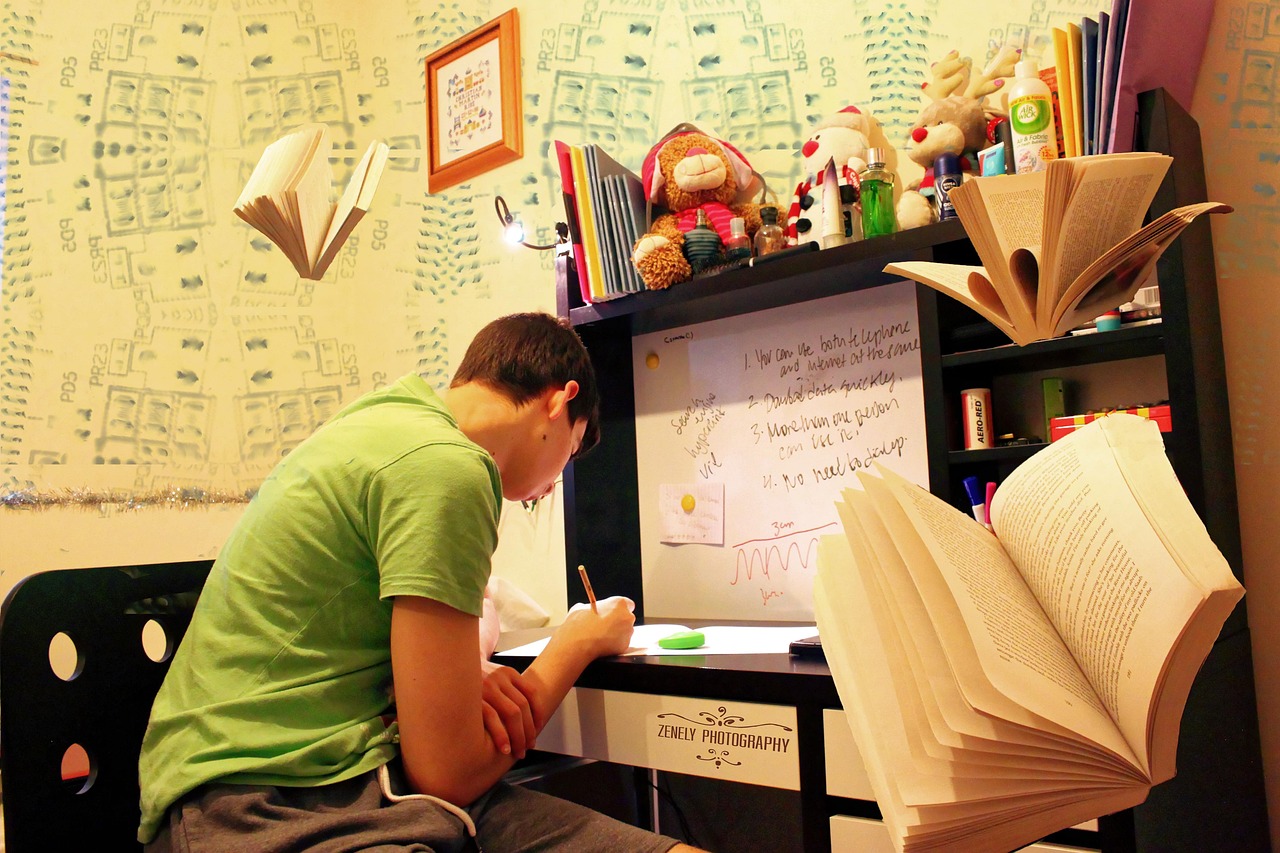
The journey to becoming an Australian citizen is a significant milestone, a testament to your commitment to a new life and a new home. A crucial step in this journey for many is the Australian Citizenship Test. While it's a generally straightforward assessment of your knowledge of Australia's values, history, and symbols, the pressure of an official exam can often trigger an unwelcome companion: test anxiety.
Test anxiety is more than just pre-test jitters; it can manifest as overwhelming worry, physical symptoms, and mental blocks that hinder your ability to perform your best. However, with the right strategies and preparation, you can transform anxiety into confidence and approach your citizenship exam with a clear, focused mind. This guide will walk you through practical techniques to manage and overcome test anxiety, ensuring you're ready to shine.
Understanding Test Anxiety: More Than Just Nerves
Before we dive into solutions, let's understand what test anxiety is. It's a psychological condition where individuals experience extreme distress and worry before, during, or after an examination. While a certain level of nervous energy can actually sharpen your focus, severe test anxiety can have detrimental effects on your performance.
Symptoms can vary widely but often include:
- Physical: Racing heart, shortness of breath, sweating, trembling, nausea, headaches, dizziness.
- Emotional: Feelings of panic, fear, helplessness, dread, irritability, depression.
- Cognitive: Mind blanking, difficulty concentrating, negative self-talk, memory problems, inability to recall information you know well.
For a high-stakes event like the citizenship test, where your future in Australia is on the line, these feelings can be amplified. Understanding that these are common reactions can be the first step in regaining control.
Before the Test: Proactive Preparation is Key
The most powerful antidote to test anxiety is thorough and strategic preparation. It builds a foundation of knowledge and confidence that can withstand the pressure of exam day.
Master the Material (and Your Mind)
The Australian Citizenship Test assesses your understanding of 'Our Common Bond,' the official resource booklet. This includes information on:
- Australian values: Democracy, freedom, equality, respect.
- Australian history: Key events, people, and developments.
- Australian culture and traditions: National holidays, symbols, famous Australians.
- Australian government and law: Parliamentary democracy, legal system, responsibilities of citizens.
Here's how to master it effectively:
- Structured Study Plan: Don't cram. Break down the material into manageable chunks. Allocate specific times each day or week to study different sections. Consistency is more important than intensity.
- Active Learning: Don't just read. Highlight, make notes, create flashcards, teach the material to someone else, or explain concepts in your own words. This deepens your understanding and recall.
- Practice Tests: Simulating the actual exam environment is crucial. Take multiple practice tests to get familiar with the question format, timing, and content. This is where resources like an Australian Citizenship Test preparation app can be incredibly helpful. Regular practice builds familiarity and reduces surprises on test day, helping you identify your strengths and weaknesses.
- Focus on Weak Areas: After practice tests, review your answers. Pinpoint topics you consistently struggle with and dedicate extra study time to them. Don't avoid challenging areas; conquer them.
- Positive Self-Talk: Challenge negative thoughts. Instead of thinking, "I'm going to fail," reframe it as, "I've studied hard, and I'm capable." Your internal dialogue significantly impacts your confidence.
Physical and Mental Wellness
Your physical and mental state profoundly influences your ability to manage stress and anxiety.
- Adequate Sleep: Aim for 7-9 hours of quality sleep per night, especially in the week leading up to the test. A well-rested brain functions better and is more resilient to stress.
- Healthy Diet: Fuel your body and brain with nutritious foods. Avoid excessive caffeine and sugary snacks, which can contribute to jitters and energy crashes.
- Regular Exercise: Physical activity is a powerful stress reliever. Even a brisk walk can clear your head and reduce tension.
- Relaxation Techniques: Incorporate mindfulness, meditation, or deep breathing exercises into your daily routine. Even 5-10 minutes a day can significantly reduce overall anxiety levels. Apps or online resources can guide you through simple breathing exercises that can be used anywhere, anytime.
Practical Logistics
Reduce uncertainty by preparing all practical aspects of the test well in advance.
- Know the Details: Confirm the exact date, time, and location of your test. Understand the format (multiple-choice, number of questions, passing score, time limit).
- Gather Documents: Prepare all required identification and documents the day before. Place them in a designated spot so you're not scrambling on the morning of the test.
- Plan Your Travel: Figure out your route to the test centre, including backup options. Allow ample travel time to avoid rushing and unexpected delays. Arriving early can help you settle in calmly.
During the Test: Staying Calm and Focused
Even with excellent preparation, a flicker of anxiety might appear during the test. Knowing how to handle it in the moment is crucial.
Pre-Test Rituals (Calming Techniques)
- Deep Breaths: Before you even look at the first question, take a few slow, deep breaths. Inhale deeply through your nose for a count of four, hold for a count of four, and exhale slowly through your mouth for a count of six. This activates your parasympathetic nervous system, promoting relaxation.
- Positive Affirmation: Silently repeat a positive affirmation to yourself, such as "I am prepared," "I can do this," or "I will stay calm and focused."
- Scan the Room: Briefly and subtly observe your surroundings. This can help ground you in the present moment and shift focus away from internal worries.
Strategic Test-Taking
- Read Instructions Carefully: Don't rush this vital step. Misunderstanding instructions can lead to avoidable errors.
- Manage Your Time: Glance at the clock periodically, but don't obsess over it. Allocate a reasonable amount of time per question. If you're stuck, move on.
- Answer Known Questions First: Build momentum and confidence by answering all the questions you're sure about. This ensures you secure those points and leaves more time for challenging ones.
- Don't Dwell: If you encounter a difficult question, don't get stuck. Make a mental note (or use the test system's 'flag' feature if available) and move on. You can return to it later with a fresh perspective.
- Pace Yourself: Take short mental breaks if you feel overwhelmed. Look away from your screen for a few seconds, stretch your neck, or take another deep breath.
- Focus on One Question: Avoid letting your mind wander to previous or future questions. Give your full attention to the question in front of you.
When Anxiety Strikes During the Exam
It happens. Your heart might start pounding, your mind might go blank.
- Recognize and Acknowledge: Don't fight the feeling. Acknowledge that you're feeling anxious. Tell yourself, "Okay, I'm feeling anxious right now, and that's normal. I have strategies to cope."
- Ground Yourself: Look around the room, focus on a fixed point, feel your feet on the floor. This can help pull you out of your head.
- Deep Breathing Exercise: Immediately revert to the deep breathing technique. Even 30 seconds of focused breathing can significantly reduce physical symptoms of anxiety.
- Reassure Yourself: Remind yourself of all the hard work you put in. You are prepared. This is just a temporary feeling.
- Take a Quick Break: If allowed, step away for a quick drink of water or a stretch, if only for a minute.
After the Test: Reflect and Move Forward
Once the test is over, it's natural to replay questions in your mind. While a brief reflection is fine, avoid excessive rumination or self-criticism.
- Don't Over-Analyze: The test is done. What's done is done. Dwelling on specific questions won't change your answers.
- Celebrate the Effort: Regardless of the outcome, acknowledge the effort you put into preparing and taking the test. It's a significant achievement to reach this stage.
- Focus on the Next Steps: If you passed, congratulations! If you didn't, understand the feedback and plan for your next attempt. Every experience is a learning opportunity.
Conclusion
Conquering test anxiety is a process that combines thorough preparation, proactive wellness, and effective in-the-moment coping strategies. The Australian Citizenship Test is a meaningful step on your path to becoming an Australian citizen, and approaching it with confidence can make all the difference. By understanding anxiety, preparing diligently, and equipping yourself with practical tools, you can manage your nerves and allow your knowledge to shine through. You've come this far; trust in your preparation and your ability to succeed.

🎯 Ready to Pass?
Master the Australian Citizenship Test with 50+ realistic practice tests, 550+ Question Bank, a comprehensive study guide, smart flashcards, and performance insights.