Life in the UK Test Day Guide | What to Expect and How to Avoid Costly Mistakes | Life in the UK: ExamReady

Test day for the Life in the UK Test is the culmination of weeks of preparation. Most candidates who fail on the day don't fail because of what they studied. They fail because of avoidable mistakes: wrong ID, a misread question, poor time management, or pre-test logistics that go wrong at the last minute.
This guide covers everything from the night before to the moment you receive your result, so that nothing about the day comes as a surprise.
The Night Before: Preparation That Matters
The night before your test is not the time for intensive studying. Any knowledge you don't have by the evening before the test is unlikely to be meaningfully consolidated overnight. What you should do instead:
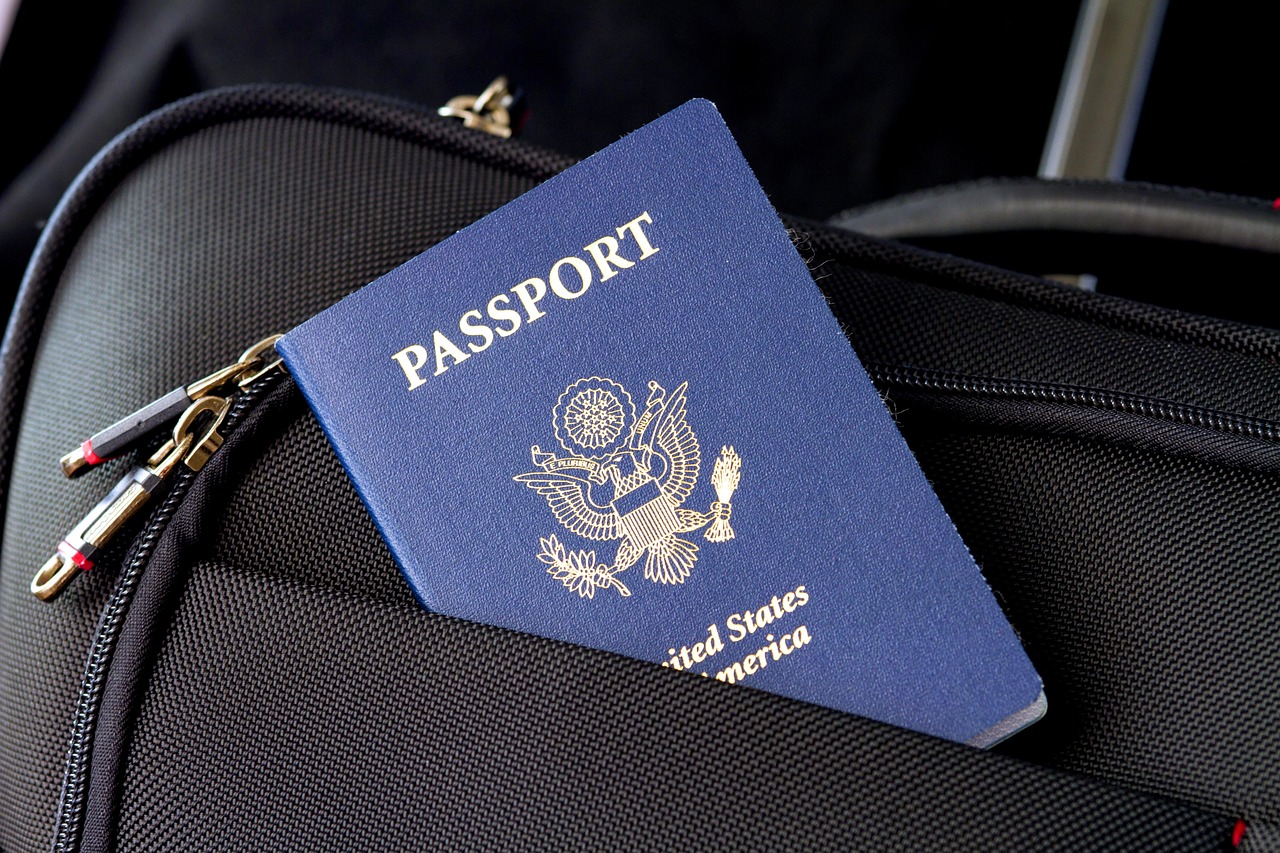
Lay out your identification. This is non-negotiable and is the single most common reason candidates are turned away at test centres. You must bring your original, unexpired photographic ID. The same document you used when booking the test. Accepted documents include a valid passport, a Biometric Residence Permit (BRP), or a national identity card from an EEA country. A UK driving licence is generally not accepted as standalone ID. Photocopies and digital images on your phone are never accepted.
Also confirm your name on the ID exactly matches the name used during booking. Including middle names, hyphens, and any special characters. A mismatch can result in being turned away. For a detailed breakdown of the booking and ID requirements, see our guide to the booking process and ID.
Print or save your booking confirmation. Your confirmation email contains your appointment reference and the test centre address. Have it accessible. Either printed or clearly saved on your phone.
Plan your journey. Look up the test centre address properly. Don't rely on a vague memory of where it is. Check transport routes, account for potential delays, and aim to arrive 15–20 minutes early. Arriving late. Even by a few minutes. Will almost certainly result in being denied entry and forfeiting your test fee.
Get a reasonable night's sleep. A well-rested mind performs measurably better on memory and recall tasks than an exhausted one. Avoid late-night cramming.
The Morning of the Test
Have a light meal. Hunger is a genuine distraction during a 45-minute exam. Avoid anything heavy or unfamiliar that might cause discomfort.
Avoid last-minute intensive revision. A brief look over your notes or flashcards is fine. Frantically trying to absorb new material in the final hour tends to increase anxiety without meaningfully improving knowledge.
Arriving at the Test Centre
Aim to be at the test centre at least 15 minutes before your scheduled appointment. Earlier is fine up to a point, but excessively early arrivals may mean a long, anxious wait.
At check-in, you will typically be asked to:
- Present your original ID for verification
- Have your photograph taken
- Confirm your personal details
- Store all personal belongings. Phone, bag, coat, watch. In a locker or designated area outside the testing room
Electronic devices are strictly prohibited in the testing room. Make sure your phone is switched off, not just silenced.
Listen carefully to the invigilator's instructions. They will explain how the computer system works, how to navigate between questions, and what to do if you encounter a technical problem. These instructions only take a minute or two but can prevent avoidable confusion during the test itself.
During the Test: How to Manage 45 Minutes Across 24 Questions
You have 45 minutes for 24 questions. Roughly 1 minute and 50 seconds per question. This is ample time if you manage it well.
Read each question twice
The most common source of avoidable wrong answers is misreading a question. Pay close attention to these words when they appear:
- NOT / EXCEPT. These reverse the question
- ALWAYS / NEVER. These are absolute terms that narrow the correct answer significantly
- ONLY. Limits the correct answer in a specific way
A question asking "Which of the following is NOT a responsibility of local councils?" requires you to identify the outlier, not the majority. Read the question fully before looking at the options.
Read all four options before answering
Even when the first option looks correct, read the remaining three. Sometimes a later option is more precise, more complete, or better matches the handbook's exact wording. Selecting the first plausible answer without reading the others is a common mistake.
Eliminate before guessing
If you're unsure, rule out any options you know are definitely wrong. Even eliminating one or two options significantly improves your odds when making an educated guess from the remainder.
Don't dwell on difficult questions
If a question genuinely stumps you, mark it and move on. Getting stuck on one hard question and running over time can cost you easier marks on questions you would have answered correctly with more time. Return to flagged questions at the end if time permits.
Manage your pace consciously
Keep a loose eye on the clock. At the halfway point (around 22 minutes in), you should ideally have worked through roughly 12 questions. If you're significantly behind, pick up the pace on questions you're confident about. If you're ahead, use the extra time to review.
Review before submitting
If you finish early, use the remaining time to review all your answers. Particularly any you flagged as uncertain. Look for questions you may have misread and answers you feel less confident about on second look. Be cautious about changing answers without a specific reason; in most cases, your first instinct is reliable.
If You Find Yourself Anxious During the Test
Some degree of nerves is normal and can even sharpen focus. If anxiety is becoming overwhelming:
Close your eyes for a few seconds and take a slow breath in through your nose, hold briefly, and exhale slowly through your mouth. This takes about ten seconds and can reset a racing mind without meaningfully affecting your time.
Remind yourself: you need 18 out of 24 correct. That means you can get six questions wrong and still pass. If you're unsure about a handful of questions, that's fine. It's built into the pass mark.
If you've been preparing consistently and using practice tests to check your readiness, trust that preparation. Anxiety about the test does not mean you're unprepared. If you want to build this kind of resilience during the preparation phase, our complete study strategy guide covers how consistent practice under timed conditions reduces test-day nerves.
If You're Taking the Test at the Last Minute
If your test is in the next day or two and you haven't had as much preparation time as you'd like, focus your final hours on:
- High-frequency topics: key dates in the history chapter, the structure of government, and British values
- Full practice tests under timed conditions to identify and address any remaining gaps
- A brief review of any flashcards you've been keeping
Don't try to read the entire handbook in one session. Prioritise.
After the Test: Your Result
In most cases, you will receive your result immediately at the test centre when you complete the test.
If you pass: You will receive a Pass Notification Letter. This is an important document. Keep it safe. It does not expire and you will need it when you apply for ILR or citizenship. Do not laminate it. Make digital and physical copies and store them separately.
If you don't pass: You must wait at least seven days before retaking the test. You will need to rebook and pay the test fee again. A failed result can feel discouraging, but many candidates pass on a second or third attempt after identifying the gaps in their preparation. Our post on what to do if you don't pass walks through a structured approach to making a retake successful.
Conclusion
Test day is straightforward when you're prepared for it. The administrative side. Correct ID, correct booking, arriving on time. Is entirely within your control and has nothing to do with your knowledge of British history. Don't let a logistics mistake undo weeks of studying.
During the test, read carefully, manage your time, and trust your preparation. The Life in the UK: ExamReady app includes timed full mock tests that closely replicate the actual test interface. Worth running through a few times in the days before your test if you want to arrive feeling genuinely familiar with the format.
Ready to pass first time?
Master the Life in the UK test with realistic mock tests, a full study guide, smart flashcards, and performance insights.